

Picking where to spin in Australia comes with more choices than a Saturday arvo at the pubs along Hunter Street. If Rival-powered pokies sit at the top of your list, the real question is which lobby handles that catalogue well – and which one buries it under clunky menus. I’ve watched slot design evolve from the early IGT mechanical ports through the NYX and NextGen eras, so I tend to judge a casino by how cleanly its game library is organised before I ever look at a welcome offer.
Why the Rival Library Matters More Than the Bonus
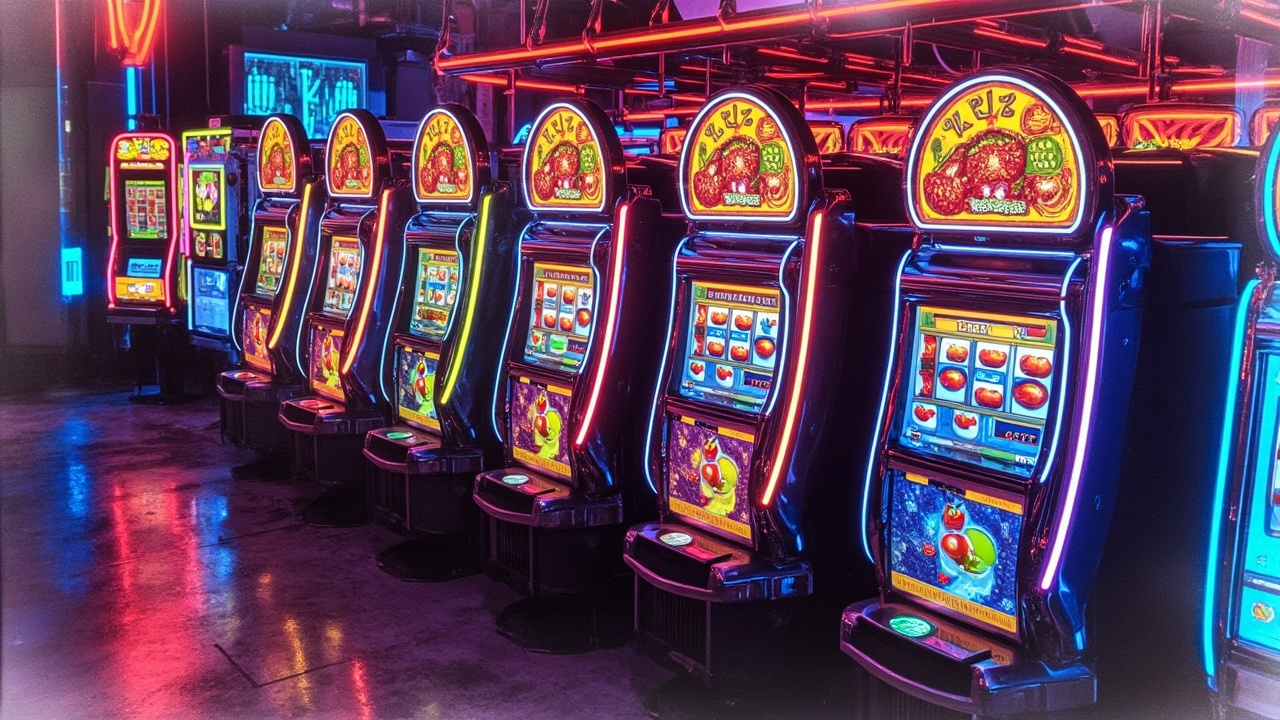
The Rival catalogue carries its own identity, and not every casino presents it the same way. After 24+ years working with slot maths, volatility curves, and lobby architecture, I can tell within a few minutes whether a platform understands its own content or simply bolted on a provider to look busy.
Rival is best known for its i-Slots, the story-driven single-reel adventures that play more like interactive chapters than standard five-reelers. A solid lobby should let you filter for i-Slots separately from the classic three-reel and video-slot categories, because lumping them together makes discovery painful. Look for themed series such as the “A Switch in Time” saga, “As the Reels Turn,” and “Reel Crime,” alongside the standalone video slots.
What separates a serious Rival casino from a skin: a recognisable i-Slot section, the ability to demo most titles before depositing, and a lobby that surfaces the provider’s progressive jackpots without forcing you to scroll through a hundred generic titles. Note acceptors are a quiet but practical perk too – players can load larger sums quickly into pokies and chase those longer sessions without being slowed down by tiny card top-ups.
The table and live-dealer side doesn’t need to be enormous, but it should feel intentional. If a casino treats Rival as the headline act, it usually complements the slots with a modest blackjack and roulette suite from a known live studio rather than padding the count with filler.
How to Judge a Rival-Focused Casino in Practice
I sat down with Georgia Robinson, Gaming Technology Consultant at Daintree Digital Ventures, to walk through what a player should actually weigh. The conversation landed somewhere between a chat and a working session – less scripted interview, more two people comparing notes.
“Players assume the provider is the differentiator, but the lobby architecture is what keeps them there,” Robinson told me. “A casino can carry every Rival title ever shipped and still feel empty if the filters don’t surface the i-Slots, the bonus rounds, or the progressives. Discovery is half the entertainment.”
That line captures the heart of what to test. Below is the order I’d recommend.

The Five-Step Lobby Check
- Open the games page and search for “i-Slots” specifically – if the category doesn’t exist, that’s an early warning sign.
- Confirm you can launch a demo version of at least two story-driven titles to confirm gameplay before counting it as a viable venue.
- Scan the progressive jackpot tab and note whether any Rival jackpots (such as “Major Moolah” or “Strike Gold”) are listed with current totals.
- Check the provider list in the footer – if Rival isn’t named alongside the bigger studios, the catalogue may be licensed through a third party, which can limit new releases.
- Test the search bar with a partial title like “Reel” – relevant results should appear without flooding you with unrelated table games.
Robinson added a practical caveat: “If the same Rival slot appears under three different thumbnails with confusing artwork, the aggregator hasn’t curated the feed. That’s where quality control breaks down.”
Matching the Lobby to How You Actually Play
Different Rival fans want different things, and a strong casino should serve both without making you jump through hoops. If you’re a story-seeker chasing the next chapter of “As the Reels Turn,” a casino that pushes i-Slots to the front of its lobby saves you real time. If you’re a volatility hunter chasing the Strike Gold progressives, you’ll care more about jackpot visibility and fast reloads than about bonus-book storytelling.
Henry Hill, Head of Public Relations at Bondi Sports Data, sees this split from the data side. “Players who gravitate to Rival tend to fall into two camps,” he said. “One treats the i-Slot series like a serial to binge. The other treats it like a treasure-hunt for the rarer hit. The platform that respects both – through filtering, demo access, and clear jackpot data – keeps both camps loyal.”
For Newcastle-based players logging in after work, that translates to a small but meaningful checklist: confirm AUD support without forced conversion fees, check that note acceptors work for players who prefer loading larger sums into pokies, and confirm verification is handled by a local support team rather than an overseas inbox that vanishes overnight. The right venue should feel curated, not assembled.
A few quick signals tell you almost everything. If Rival appears in the footer as a named provider, the platform has a direct relationship – expect new releases closer to launch. If the lobby groups “Featured,” “New,” and “Progressives” as distinct tabs, the design team has thought about navigation. If demo play is a one-click affair rather than a registration wall, the casino respects your time. If none of those are true, the Rival library may be little more than window dressing.
Verdict
The smartest way to choose an online casino with Rival Gaming slots is to treat the lobby itself as the product, not the welcome bonus. Filter for i-Slots, confirm demo access, check the progressive tab, and test the search bar before you deposit a cent. A casino that respects Rival’s quirks – story-driven reels, themed series, and standout progressives – usually respects the player too. For those ready to compare curated lobbies side by side, staycasinoologin.com is a sensible starting point, and anyone curious about how regulated entertainment works in other jurisdictions can read the Dutch legal gaming hall feature for a useful cross-border contrast.